What is your country like?
I want to thanks at the schools, principals, assistants and very specially, to the students for your help in this project. Thanks everybody.
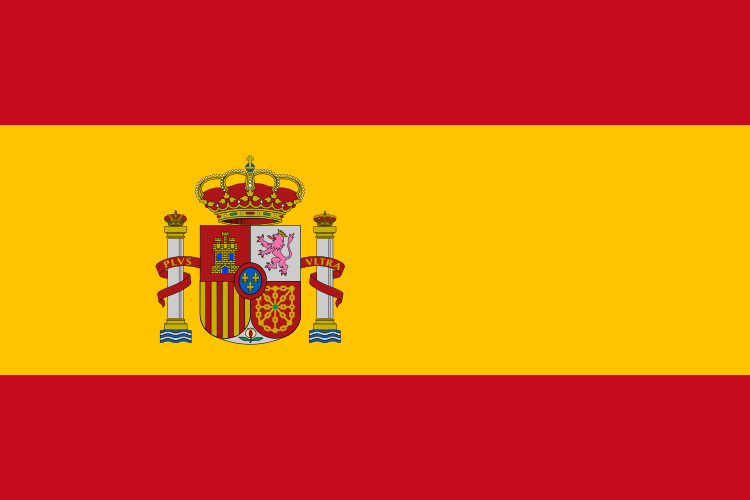
COUNTRY: SPAIN
SCHOOL: SANT BONAVENTURA-VILANOVA I LA GELTRÚ - BARCELONA
STUDENT: Lucas Rincón Murillo
Living in Vilanova
I live in Vilanova i la Geltrú, a coast town beside Mediterranean Sea near of Barcelona. in Catalonia (Spain). It has a population of approximately 66.000 inhabitants and we have got two officials languages: Spanish and Catalan.
The inhabitants from Vilanova are called Moonstruck. Why?... The tradition says that there was a fisher always watching the Moon, from staring at the Moon, that he fell in love of the Moon. Then, he went every night to the port with your fishing net, trying to fish the reflected image of the Moon on the sea.
I like very much to live in Vilanova i la Geltrú because there are a lot of festivals and traditions such us the Carnival. When I was child I enjoyed picking up the sweets that the people thrown to the multitude on Sunday of Carnival in “Les Comparses”. A funny day of Carnival is on Thursday because children thrown meringue each other in “La Merengada”.
The main festival week is August 5, the Virgin's of Neus festivity (patroness of our city). In August 4 at night, there are nice fireworks to celebrate this festivity. I usually go to the beach with my parents or my friends to see them and we have dinner there. It's beautiful to see the fireworks while we are swimming at night! Also is funny to see and feel “ Els Correfocs”, they are devils and dragons running by the street, while they are doing explote the fireworks. In January 17 we celebrated the “Tres Tombs” and I go to see the parade of adorned carriages thrown by horses.
Also I like my town because I live near of the beach, people are friendly and the weather is quite good all the year. In Vilanova you can contemplate and enjoy of a wonderful sunset. In summer I go to the beach with my friends or my family. There are a long and beautiful beaches where I can swim or play football that it is my favourite sport. I like ride on bike and go with my father or my friends to the mountains outside of the town.
Also in Vilanova there is a fishing port, some museums and a lot of shops, supermarkets and restaurants where you can taste mediterranean food.
Lucas Rincón - 14 years
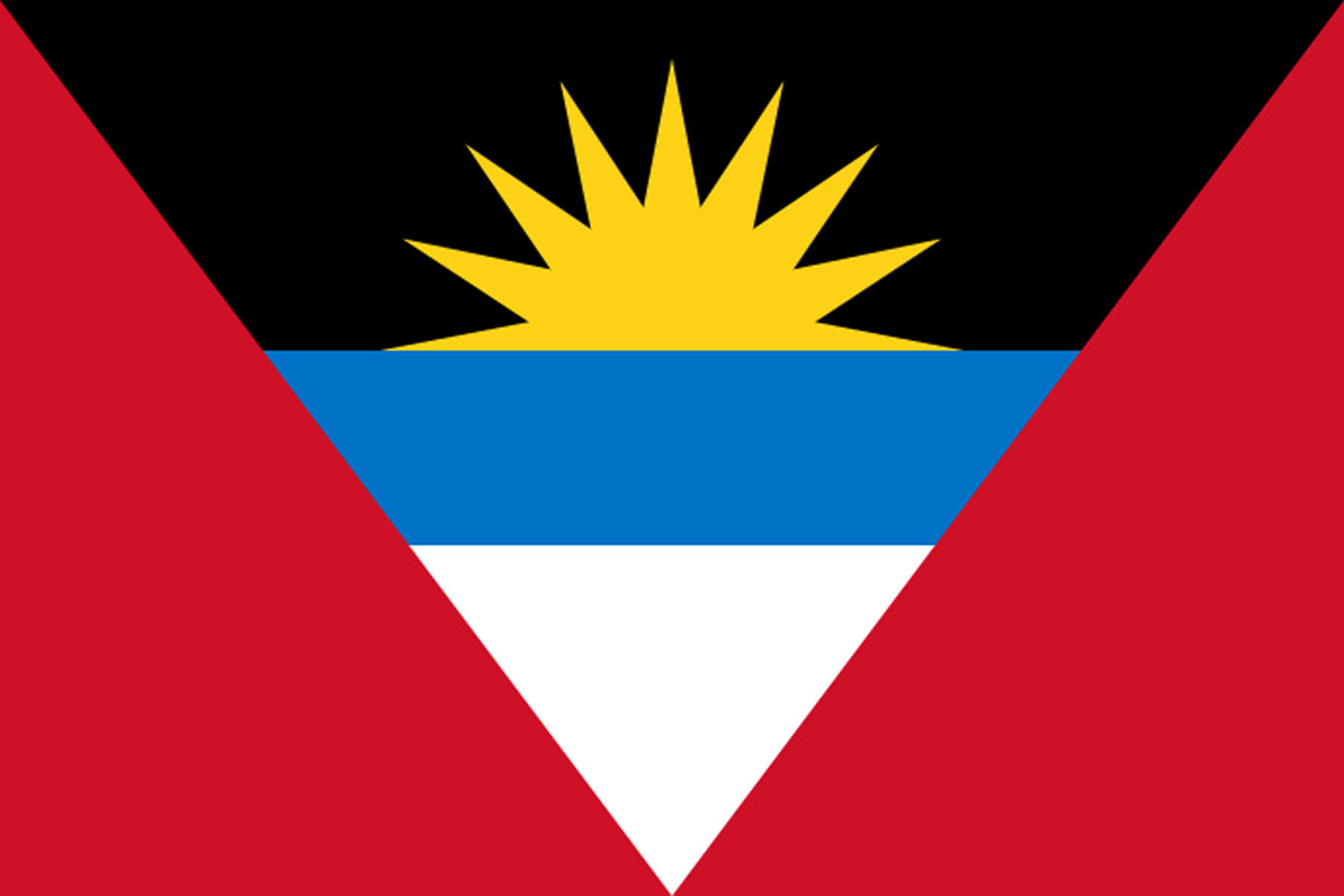
COUNTRY: ANTIGUA AND BARBUDA
SCHOOL: SAINT ANTHONY SECONDARY SCHOOL - LANGFORDS, ANTIGUA
STUDENTS: Hanna Sternhagen and Élan Youngstrong
Antigua is one of the best places to live. The population is about 90,000, so you can’t go anywhere without seeing someone you know. We also have 365 beautiful beaches all around the island, one for each day of the year. I love going to the beach; it is a beautiful work of God’s creation. Almost everyone here in Antigua enjoys the beach. Tourism is our main industry, and we are very oriented towards it. Some tourists come on the cruise ships, others on airplanes. They all come and enjoy our beaches, usually getting very, very red in the process.
Wherever you go in Antigua, you will always see people, usually boys, playing football. Football is a favourite sport among Antiguans. Cricket is also popular. In general, Antiguan teenagers love sports, whether to play or to watch. However, the thing that we Antiguan teenagers really love to do is lime. Liming is basically wasting time, but enjoying yourself with friends and family.
Overall, this is a brief look at life in Antigua, but on the whole, it is a wonderful country to live in. You should come visit sometime!
Hannah Sternhagen
Antigua: The Land of Sand, Sea and Sun
Antigua, also known as Wadadli, was discovered by Christopher Columbus in 1493.It is a small island (281 km2 ) in the Leeward islands, to the north of Montserrat and Guadeloupe and about 30 miles south of our sister island Barbuda which is known for its pink sand beach and frigate bird sanctuary.
Antigua became independent on 1st November 1981 and this is celebrated throughout the country on a large scale. Carnival and Sailing Week are some other widely celebrated events and people from all over the world come to experience these.
Our main industry here is tourism. We have lots of cruise ships coming to Antigua throughout the year, filled with people from all over the world. We have many attractions such as Nelsons Dockyard and Betty’s Hope which tourists come to see.
Football is a big influence and widely played sport here. Just about all the schools and villages have a public football field.
Antigua is a lovely place to live. It’s sunny and warm most days. I lived here for about 10 years and I have never gotten tired of going to the beach.
Élan Youngstrom - 14 years
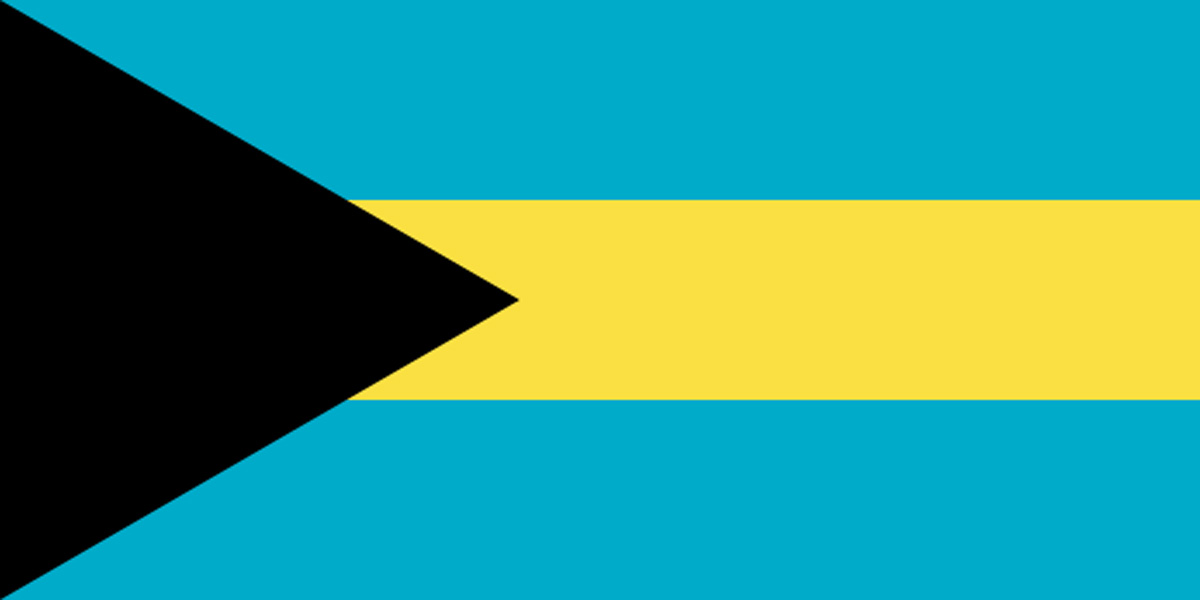
COUNTRY: BAHAMAS
SCHOOL: LUCAYA INTERNATIONAL SCHOOL - FREEPORT
STUDENT: Isabella Gouthro
Hi Lucas,
My name is Isabella and I have lived in Freeport, Grand Bahama my entire life. I am 13 years old and attend Lucaya International School. It is nice writing to you because I actually have family in Spain and am visiting Barcelona soon.
The Bahamas has a population of 377,344 and Freeport alone has about 47,000 as of 2000. It is a small island and everyone knows each other. The Bahamas is known for its beautiful beaches and its clear waters. The Bahamian flag is black, blue and yellow representing a united people, land and sea. Our national bird is the Flamingo, our national fish is the Marlin, our national plant is the Yellow Elder and our national tree is the Lignum Vitae. We have 700 islands and only 40 of them are populated.
Life in the Bahamas mainly revolves around the beach. Our island is a popular vacation spot for tourists because of our wide range of fun activities. We have a dolphin experience, scuba diving and beautiful marine life. People here are very friendly and kind. In my opinion, the Bahamas is interesting to tourists and locals that haven’t been living there for long. However, for people like me who have lived here my whole life we tend to take the beach for granted.
Overall, I think that Grand Bahama is an amazing island and has a variety of different activities. Although it can get a little boring at times, I love this island and I am glad I got to grow up here. You should come visit!
Isabella Gouthro- 13 years
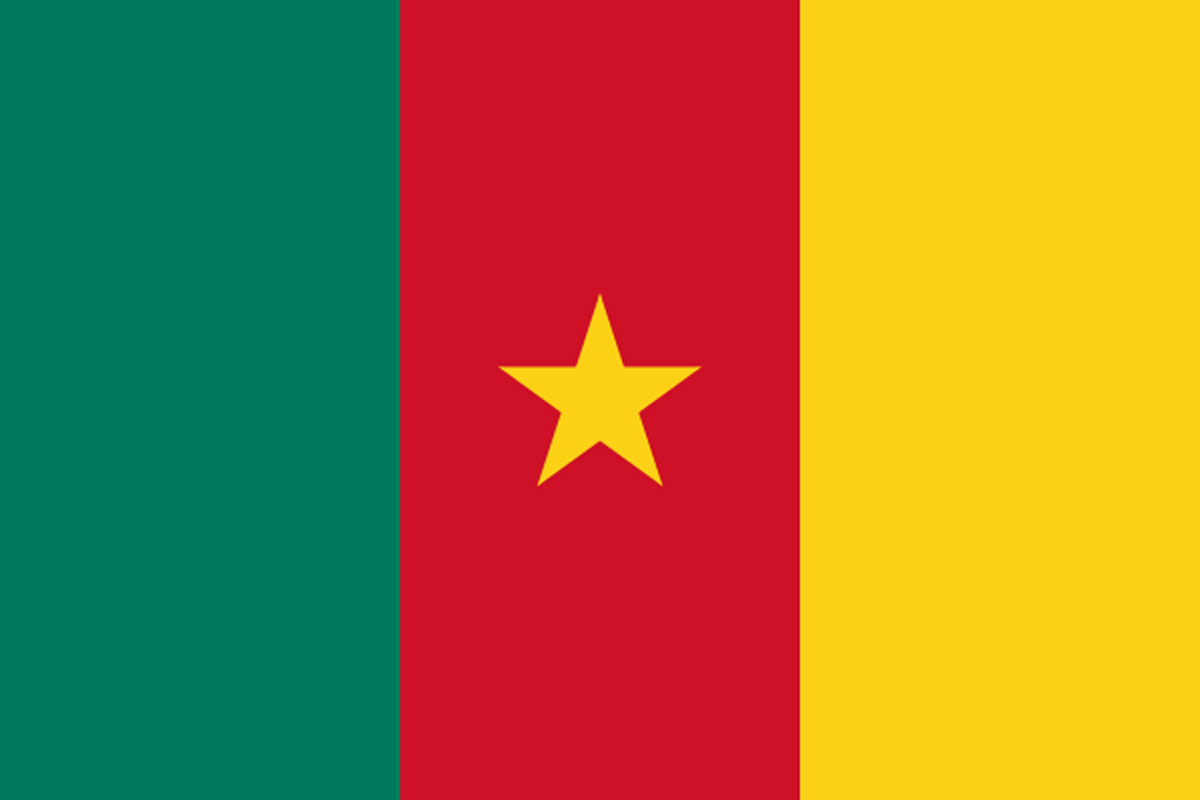
COUNTRY: CAMEROON
SCHOOL: AMERICAN SCHOOL OF YAOUNDE
STUDENTS: Hiromi Egusa and Shaolong Fan
Country of Lions
Cameroon is a country in central Africa. It is often called "small Africa" due to its varied weather conditions and diverse harvests. Cameroon is also famous for its national soccer team. During football matches, my family yells at the TV screen saying, "Go Lions!" People usually play soccer and other sports (like volleyball, jogging) during weekends. Every Saturday,I practice volleyball at a local volleyball club. The practice is hard, but it is very amusing and healthy.
One of my favorite foods is cassava with grilled fish. It tastes delicious when you eat right after it is cooked. We also eat plantain chips for snacks and with meals. The fruits like papaya and pineapple are all sweet and beautiful.
The official languages spoken in Cameroon are French and English. In most regions, people often use French. Cameroon has 10 regions but only two are anglophone. However, Cameroon is a bilingual country, so if you know how to speak French, you will have no problem communicating in the capital.
I am studying hard to be able to speak French in Cameroon!
Hiromi Egusa - 9th grade
Hi Lucas,
My name is Shaolong. I am a student from American School of Yaounde, and I’ve been in Cameroon for more than 10 years. Cameroon is a very unique place. People usually call it Africa in Africa in Africa miniature because of its diverse climate. For example in the North, you can travel through a savana or you can advanture in a rain forest in the South and in the West you can get a suntan on the beach. Life in Yaounde is amazing. You can buy all kinds of tropical fruit very cheap, and the climate is very pleasant. There are only two kinds of weather, rainy season and dry season. In the rainy season, it rains almost every day and the temperature is around 20 C. But even in the dry season, the temperature rarely reaches 30 C. They speak more than 200 languages in Cameroon but the official languages are English and French. French is the dominant language (everyone knows it) but people also speak English and German in some regions.
This is the general aspect of life in Cameroon. There is a lot more to tell you but I need two or three pages to give you a full description. I wish you all the best with your project.
Shaolong Fan - 9th grade
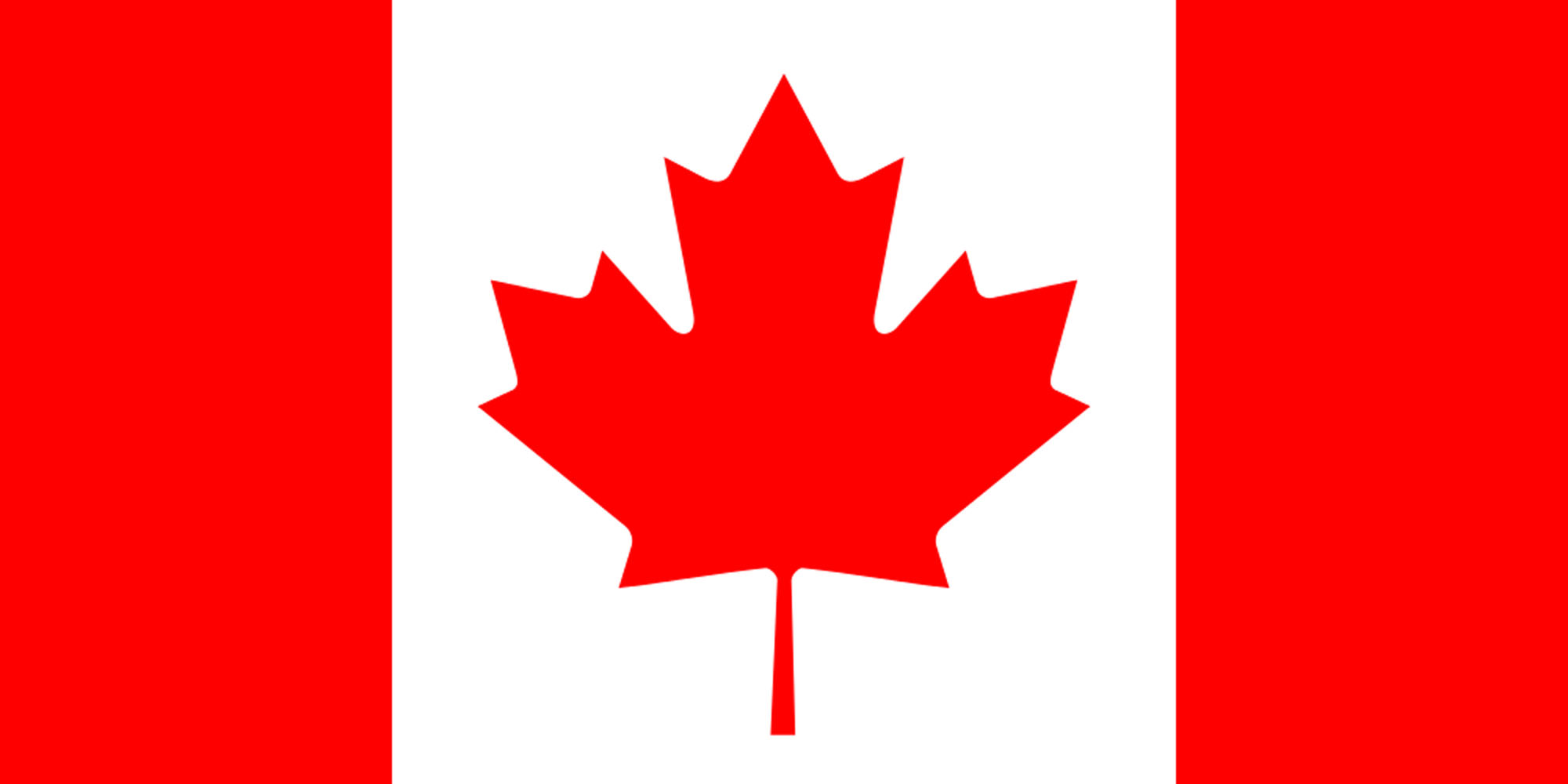
COUNTRY: CANADA
SCHOOL: BERT CHURCH HIGH SCHOOL - AIRDRIE
STUDENT: Courtney McCall
The Maple leaf
It was fall in Canada- the time when the leaves are falling, when the snowflakes start forming in the clouds above. A cold front swooped in and stormed like an army rushing into battle, and humans bundled up in their warm and favorite autumn wear, mostly staying inside to stay warm. I stood there, outside, on the only thing I had left; my home branch.
My brother and sisters had already left home and were either out there in the world exploring or were under the feet of the mammals. What made me different from them was the tiny voice in my head that told me to keep holding on and to not let go . I was scared that if I let go, I would be forgotten, and that the trace that I left on the branch would be removed by a simple growing bud in the spring. I had this strong ambition inside me to listen to that voice but it was slowly being stripped away by this other voice inside my head saying let go. I’d would have rather not have had this thought in my head so I used every fiber of my being to push it and lock it away like a lion locked up in a zoo. I thought that I would be able to overcome this thought and that I could live the rest of my life in my home, but an event happened that forced me to give up and listen to the thoughts that I tried so hard to keep locked inside.
A roaring wind that shot like a bullet came in and assaulted my very being and the strength that I thought I had snapped as though a human was breaking a twig. I flew up in the air and before I knew it, I lost everything. I was so high up I could see the cities and rockies that were so distant and the prairies which surrounded the area like a fence. It was beautiful; if I’d never left home, I would’ve missed that sight. As I went with the flow of the wind, I saw so many different things. In the cities, there were buildings 100x bigger than my home tree and there were so many humans-way more than the number of my siblings combined. There were many different kinds stores and I took notice to this one that everyone goes to called Tim Hortons. There were so many people who paid attention to each other and helped each other out. I thought that humans were creatures that were just selfabsorbed, but it appeared that my judgement was wrong. Before I could explore more of the cities, another thrust of the wind blew me off my feet and I flew towards more acres of prairies.
There were seas and oceans of wheat and different crops growing all over the place and the number of farms were outstanding. Hours later, I was still fascinated by the land as I was by the city. As I looked down and admired the view, I started to take notice of the sky getting more grey, however, there was still a little light, and some warmth. My senses were increasing in sensitivity and the heat was getting hotter. As I looked up, I saw not an ocean of wheat, but a fire engulfing the forest and a city. The fear that I had when I was on the branch didn't even compare to that new fear. Every inch of my body was quivering and my immediate reaction was to get out, but I couldn't move. The demon they called fear had possessed my body.
I began descending at a quick pace- I was going to die. Just before I fell into the flames, a sudden gust sent me high in the air and I soared towards the Rockies. The demon they called fear leaped out of my body and the feeling of happiness drowned me. I had never been grateful to the wind, but it saved my life. As I reach the rockies, I felt a sudden chill down my spine as I plummeted down on top of a white sheet of snow. So, this is what they call snow , I thought to myself; if it was here, I wouldn't mind dying. As I closed my eyes and let my body rest, I felt a force pick me up, but it wasn't the wind.
“Mommy look at this” the child said. As I opened my eyes, I realized that the force was a child of a human. I wasn't scared but amazed; I’d never been this close to a human before. As I turned my head due to the crunching of the snow, I saw another human, but a much larger one.
“What is it?” the mother asked while holding on to the child's shoulder.
“I don't know what it is, but it looks like a leaf.”
“Honey, have you ever looked at the Canadian flag?”
“The red and white thing?”
“Ya the red and white thing,” the mother responded with a slight giggle.
“Can I keep it, mom?”
“Why would you want to?”
“It’s beautiful,” the child said with a grin on her face.
“Sure.”
As I looked up to the humans, I felt a sense of peace and serenity. I was glad that I left the branch. Not only did I have a crazy adventure, but I came to terms with new emotions, gained new experiences, and found a new home. Canada is truly a great place to live and be.
Courtney McCall
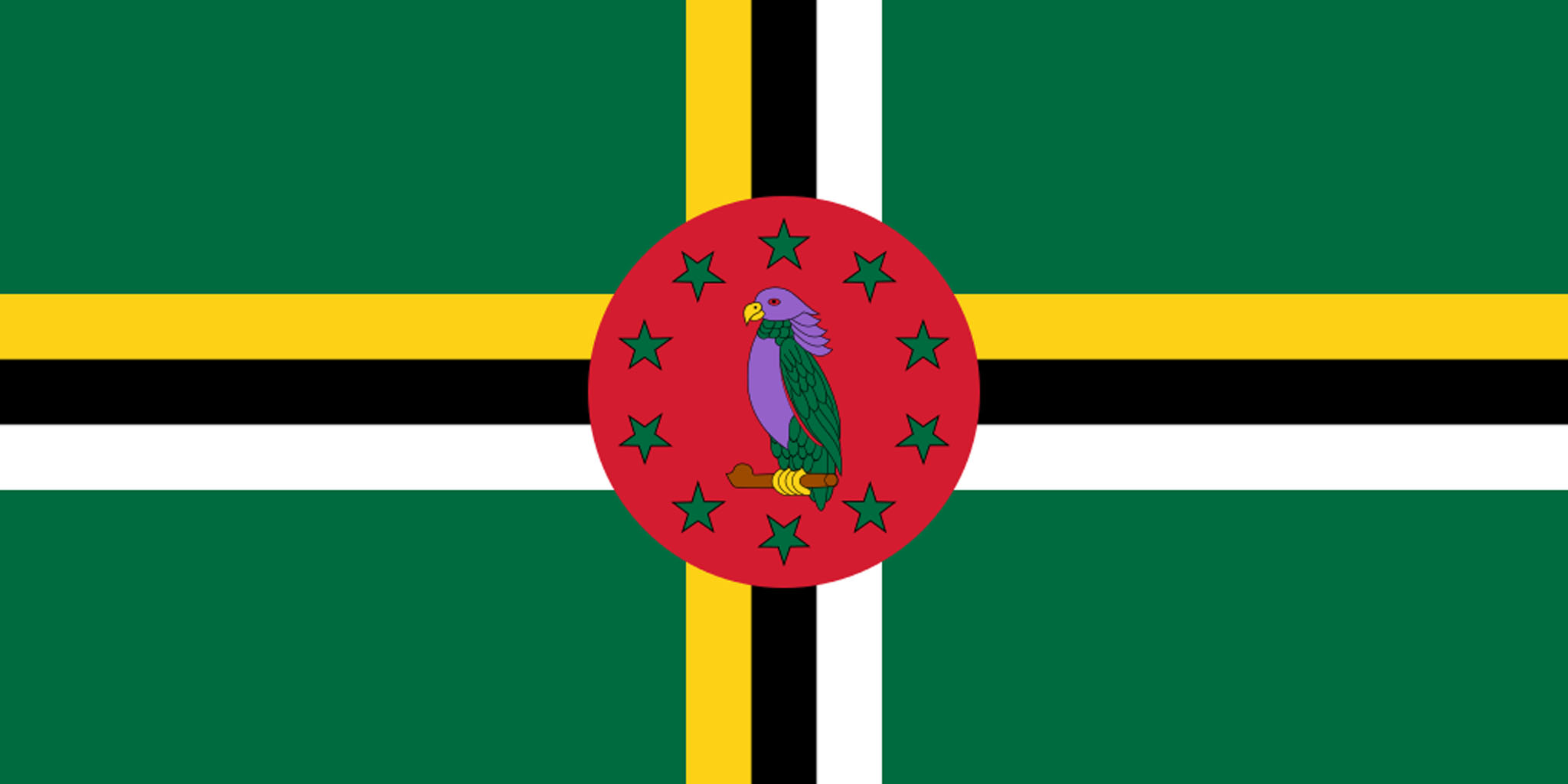
COUNTRY: DOMINICA
SCHOOL: CONVENT HIGH SCHOOL - ROSEAU
STUDENTS: Ishita Dhiman, Zinielle Vital and Zorah-Marie Xavier
The Nature Isle of the Caribbean, Dominica, is an extremely unique place to live. Dominica is not a very big island (754 km²) and is home to about 72,000 people. Although sometimes it is boring due to the lack entertainment, living in Dominica can be fun. The weather here is either extremely rainy or extremely hot (mostly hot) but that makes it perfect to visit the many beautiful rivers and beaches throughout the island! Dominica has a very rich culture passed down from our African and French ancestors, and every year there are many cultural celebrations such as Carnival and the World Creole Music Festival which are always very exciting and festive. Here, at every school the students wear uniforms, which isn’t all that bad. I go to the eldest school on the island, a catholic allgirls high school, the Convent High School, located in the capital town, Roseau.
Zinielle Vital - 14 years
Dominica the Hidden Gem of the Caribbean
Dominica, often promoted as the Nature Island of the Caribbean, is one of the most alluring places on Earth. From the lush green mountains to the black sandy beaches, from the volcanic peaks to their forested slopes etched by the tumbling rivers, Dominica proudly upholds the title of a 'Nature island'. As a teenage denizen of Dominica, I think of Dominica as a nature haven and home of friendly and simple people.
I view Dominica as a nature haven, a peaceful place I can always feel calm and serene no matter what happens to me. Dominica is filled with gorgeous waterfalls, rivers, beaches and hills. I often go to these wonderful locations on weekends, to get away from my daily stressful life.
Dominica, inhabiting around 72,000 people, is filled with friendly and caring citizens. I can always count on members of the community to help me with a problem or a difficult situation. Dominicans are always willing to help and are easy to be acquainted with.
How could anyone not love Dominica with its angelic nature sanctuary and amazing people? Some may rate Dominica as small, but to me Dominica is in my heart and soul. There is a saying that goes "You will never know what you are missing until you have it" similarly, 'Dominica is the hidden gem of the Caribbean, you never know how beautiful it is until you have lived here'.
Ishita Dhiman - 14 years
My Country: Dominica
Dominica is a small island located between two French speaking countries in the lesser antilles of the Caribbean. It is said to be the “Nature Isle of the Caribbean” and is known for its Ecofriendly sites. The island is home to 72,340 warm and friendly people who are predominantly of African descent. The official language spoken is English.
The main streets of Dominica’s capital, Roseau, highlight the hustle and bustle of everyday Caribbean life, However, when travelling out of the city and into the countryside you feel rejuvenated and your senses are heightened as green trees and mountains become prevalent. Dominica boasts several hiking trails, dive sites and warm sulphur pools and is truly a nature lover's paradise.
A visit to Dominica is truly an unsurpassed experience for those seeking nature's sanctuary. From Boiling lakes to cascading waterfalls, hot springs and whale watching. My island's beauty has charmed many a visitor into making her home until the end of their days.
Zorah-Marie Xavier - 13 years
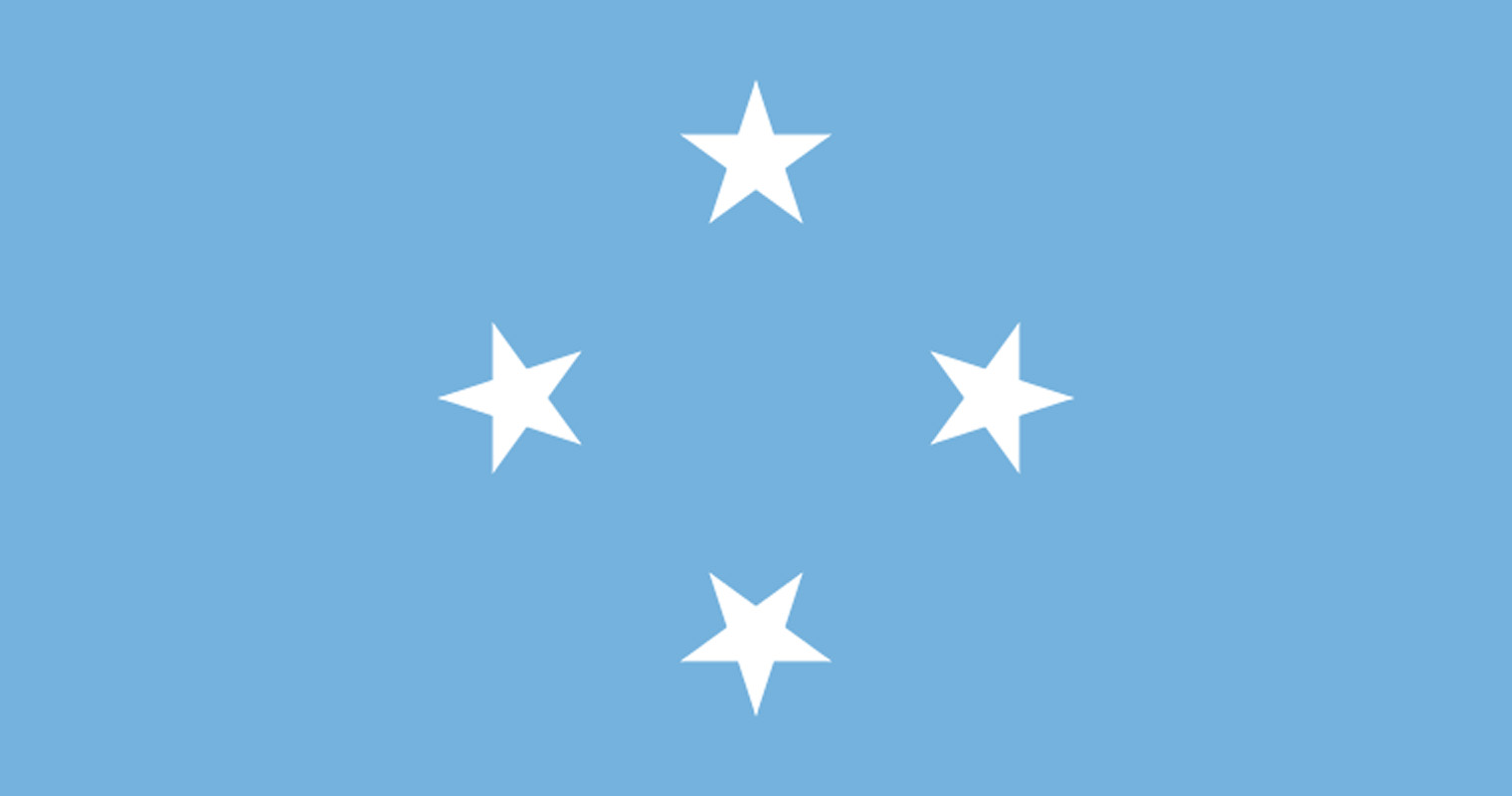
COUNTRY: FEDERATED STATES OF MICRONESIA
SCHOOL: XAVIER HIGH SCHOOL - CHUUK STATE
STUDENT: Maleha Saimon Sophomore
Chuuk State
Chuuk State is one of the four states of the Federated States of Micronesia. It is a very small island. The area is about 121.5 square km (46.9 square miles). Chuuk State contains several island groups; Chuuk Atoll, Nomwisofo, Hall Islands, Nomonuito Atall, Pattiw, and the Mortlock Islands. Weno is the capital of Chuuk State. The total population is 48,654. About 60% of Chuuk’s economy comes from the Compact of Free Association (A Treaty between USA and FSM) and the rest comes from commercial fishing, tourism, and copra sales.
The people of Chuuk are known to be the most humble and kind in all the Micronesian islands. Their hospitality and generosity are a part of their culture, which they hold deeply in their hearts. An example of the hospitality and generosity is sponsoring or hosting people from other neighboring islands without pay. Chuukese welcome strangers into their homes and treat them as members of their own family. Chuuk State is the home base of Xavier High School, the lone Jesuit high school in Micronesia. Students from the different islands in Micronesia attend Xavier High School. The boys live in a school dormitory. However, the girls are sponsored by different Chuukese families throughout the villages.
Chuuk State is also known for its diving attractions. People around the world visit Chuuk to dive the blue lagoon. In the lagoon, divers can find wreckage of war ships and planes from World War II. Chuuk State was the headquarters of the Japanese Imperial Navy prior to WWII. The Japanese Imperial Navy Fleet was attacked by U.S. and the Allies forces and many ships and planes were destroyed. Divers come to Chuuk to enjoy the beautiful underwater world of ship and plane wrecks.
Maleha Saimon Sophomore
COUNTRY: FIJI
SCHOOL: MARIST BROTHERS' HIGH SCHOOL - SUVA
STUDENTS:Sekove Tagicakiverata and Viliame Retikilako
My Fiji My Land My Freedom!
Fiji is one of the most beautiful islands in the world and is known for its beautiful beaches and majestic scenery. Fiji is located in the southwest Pacific, South of the Equator. It is an archipelago that consists of 322 islands, 106 of them are inhabited and the rest are natural reserves. Fiji is hot and humid.
The i-Taukei, legally known as Fijians are the major indigenous people of the Fiji islands, and live in an area informally called Melanesia.
Without a doubt, Fiji is home to some of the most idyllic and beautiful beaches in the world. Fiji’s white sand beaches and pristine, crystal clear ocean waters offer an ideal vacation destination for divers.
Suva is the heart of Fiji, home to half of the country’s population and the largest city in the South Pacific. Suva is a national park that boosts a crystal clear river set in serene and peaceful surroundings.
In Fiji, during weekends it is most likely that families sit around the Tanoa and have yaqona. Yaqona is a Fijian drink, a tradition so woven into the fabric of culture that like without it is unimaginable.
Our unique dish part of Fijian Cuisine is “Kokoda”. The acid in the lime/lemons cooks the fish but the coconut gives it a creamy flavour. Another unique dish is lovo. “Lovo” essentially means “Feast cooked in the earth”. “Duruka” is a unique Fijian vegetable. It’s fleshy and kind of stringy but tasty. Duruka is often cooked in coconut milk or put in curry.
Fiji has three official languages under the 1997 constitution which is English, Fijian and Hindi. Fijian is spoken either as a first or second language by indigenous Fijians who make up around 54% of the population and Fijians of Indian descent make up further 37%.
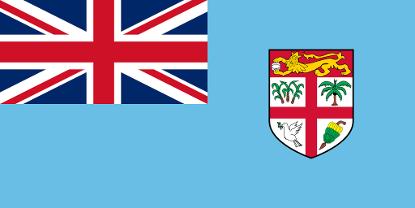
The current flag of Fiji was adopted on 10th October 1970. The coat of arms was granted on July 4, 1908, and is composed of two Fijians warriors supporting a quarters. “Tagimoucia” is Fiji’s national flower; and it is endangered. It grows along the mountains slopes of Taveuni.
Today, there are various Christian denomination in Fiji, the majority being Methodist. There are also a number of Eastern religious present Hinduism and Sikhism among others. Fiji has many public holidays as it acknowledges the special days held by the various belief system, such as Easter and Christmas for Christians, Diwali for Hindus and Eid for Muslims.
Sports culture is unique as different racial mixes and cultures come together in a common interest. The Rugby Union team has competed at five Rugby World Cup Competitions. The Fijians Rugby sevens team is one of the most successful rugby sevens in the world. Rugby league is also a popular sport in Fiji.
Sekove Tagicakiverata and Viliame Retikilako - 16/17 years
COUNTRY: JAMAICA
SCHOOL: ST. GEORGES'S COLLEGE - KINGSTONE
STUDENT: O'Neil Corinaldie and Rajauni Edwards
Jamaica: The Land of Wood and Water
The small island nation of Jamaica resides in the Caribbean region. The island provides 50 of the most splendiferous beaches for its 2.8 million inhabitants. The Swallowtail Hummingbird is one of the endangered inhabitants that has lived in Jamaica for many years and has become our national bird. The black birds and the orange- breasted sun bird are just a few of the 324 species of birds that have landed on our shores.
The country's main income is from tourism where tourists enjoy the sandy beaches, forests and the exuberant culture of the island's people while wearing the rosettes of their skin. It is stereotypical to say that all Jamaicans are rastas or black people from slavery but it has brought not only a strong historic background to the island but also a culture rich with ethnical diversification as different people from different backgrounds.. Africans, Chinese, Indians, Syrians.. They have all contributed to the island that stands here today within the Caribbean Sea... Where we have become the most famous of all Caribbean islands.
Our culture is also incorporated with Reggae music that all tourists seem to love and enjoy every year at Reggae SumFest. A festival/ concert that display our culture and heritage. Jerk chicken, pork, patties, mutton, salt mackerel rundung are just if the food we enjoy about this island and not too forget our national dish, ackee and saltfish. There is so much to enjoy about the island- Dunn's River Falls in St. Ann, a water park in Westmoreland among other famous attractions.
The island is known for its love and passion for football, cricket and athletics as we have developed our own teams who complete regionally and internationally. Here is the birth place of the fastest man alive - Usain St. Leo Bolt - and the "pocket rocket" - Shelly- Ann Fraser- Pryce. Other athletes include Asafa Powell and Veronica Campbell- Brown who have become national emblems but lest we forget our national heroes, Marcus Garvey, George William Gordon, Alexander Bustamante, Nanny of the Maroons, Paul Bogle, Norman Manley and Sam Sharpe.
We look up to these heroic individuals as they curved or perspective of how we view people and things of this world and island, that we are proud to call the Land of Wood and Water...
O'Neil Corinaldie
Hello. My name is Rajauni Edwards and I am a proud student of St. George’s College, and moreover Jamaica.
Jamaica, as many people know it, is the land of wood and water. The island is located in the Caribbean and as you would already know, is an English speaking country. We have a rich history and for reasons such as this, I enjoy living here. Many cultures, religions and practices have been developed out of our history here. Some of these are : Indian spices and foods, Chinese customs, African customs and even some Spanish habits, though I’m not quite sure what they are. Moreover, as our motto implies, Out of many to have come and gone, we are one people.
Life here is quite usual and normal. We are born to parents who are tasked with providing and supplementing where necessary. At the minimum age of about three years old, we begin attending learning at the primary level are home schooled, which isn’t common. At the ages of 10-13, we sit the Grade Six Achievement Test, once the Common Entrance, which determines what Secondary Institution we attend. We attend this school until the eleventh grade(fifth form) when we graduate of in (sixth form). Next, we move to universities or colleges to get degrees in our choice of career. It is after all of this that we commence our work as citizens of labour.
Otherwise from our education and lifelong journey in the faction, we embrace other activities. Coming to my mind this instant are the New Year’s celebration which I enjoy and Christmas Holidays. Others include Easter, Labour Day, which has just passed, Heritage Day, Mother and Father’s Day, Day of Valentine among many others. These are celebrated all over the year and in these periods, we pause to acknowledge a certain thesis or idea of our lives.
Here in Jamaica, we have a democratic system. It has been this way since 1962 when we gained independence from Britain. The country is run by different ministers in office, government officials and the persons at highest control The Prime Minister, Sir. Andrew Holness and The Governor General, Sir. Patrick Allen. We have a mixed economic system and we find finance through Foreign exchange, Agriculture, Tourism etc.
Finally, here in Jamaica, life is full of opportunities, eventful and most importantly, blessed by God.
Rajauni Edwards
COUNTRY: KENIA
SCHOOL: SANT MARYS SECONDARY SCHOOL - NYERI
STUDENT: Dominique Mwai
My Country
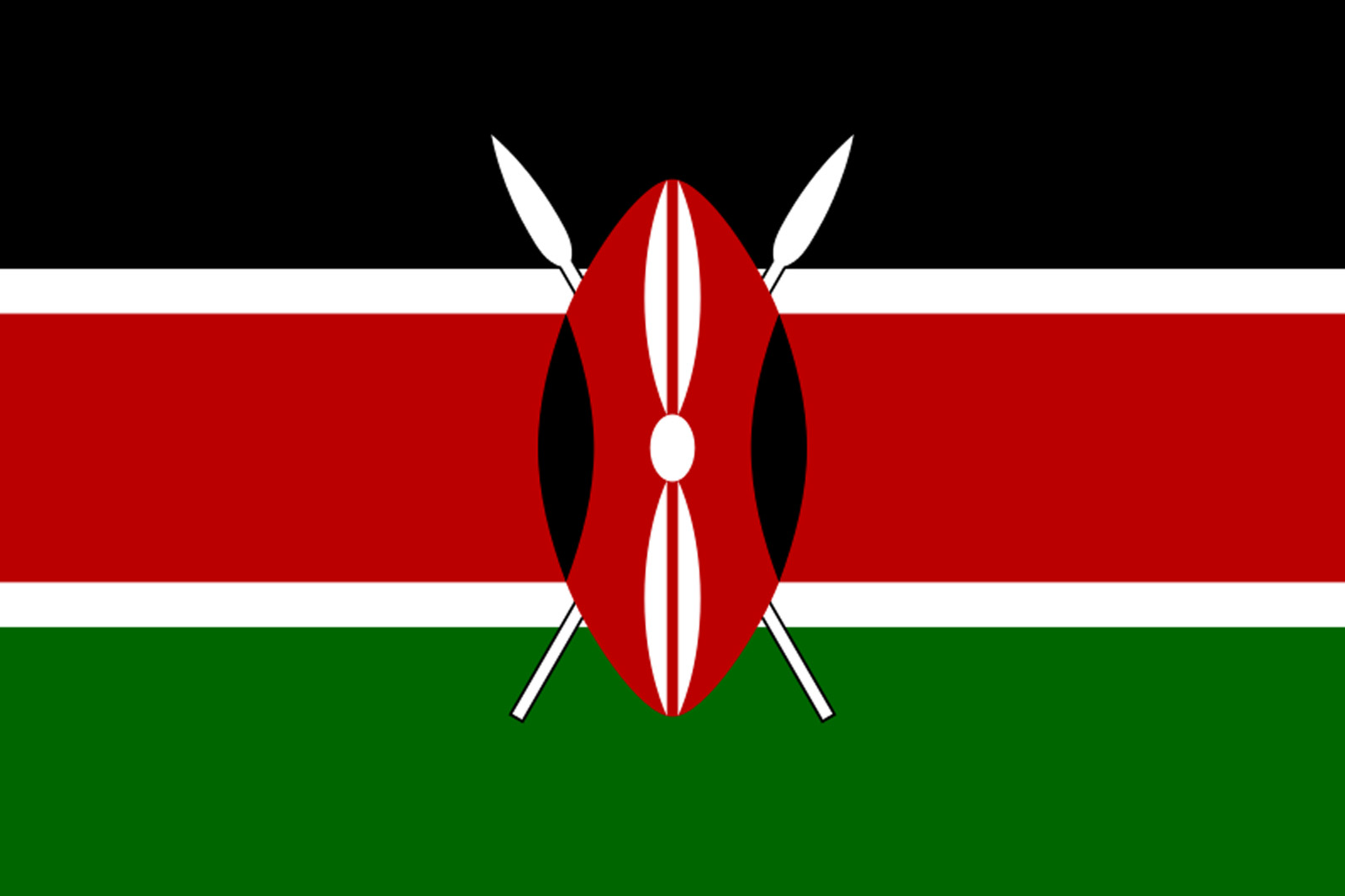
My country is Kenya. Kenya is a beautiful country. As all other countries do, Kenya has a flag with four colours – black, white, red and green. Black symbolizes the dark skin colour of the Kenyans, white symbolizes the peace in our country, red symbolizes the blood shed during the struggle for independence and green symbolizes the vegetation of our country.
The capital city is Nairobi. It is the largest city in East and Central Africa. It is a cosmopolitan city meaning that it is a culturally diverse. Also known as the Safari capital of the world, it is the only city known to have a game reserve.
Kenya is a diverse country with over forty two tribes. The widely used languages area English and Kiswahili. The Lingua Franca among most youths is Sheng; a mixture of English and Kiswahili among other African languages. Being a former British colony, English is used in Kenya as an official language while Kiswahili is used as national language.
There are a variety of tourist attractions. One of them is the Tsavo National Park, the largest national parks in Kenya. Another one is the Nairobi national Park. Other tourists’ destinations include: Fort Jesus in Mombasa, and Vasco da Gama pillar in Malindi. The big five animals are a major tourist attraction in Kenya. Marine parks are also found in Malindi, Mombasa and Watamu.
Some cultural practices of some communities in Kenya are considered tourist attractions. Such communities that retain their African heritage include the Abaluhya, the Maasai and some Nilotic speaking communities. Their cultural dances are very interesting.
The climate of Kenya is generally semi-arid and arid which is experienced in large parts of the country that include the Northern, North Eastern and Eastern areas. The Central and Western areas are cool and wet while the Coastal is hot and wet. The Southern areas are generally cool and wet.
Kenya has managed to foster good relationships with other nations. As a member of the East African Community, Kenya has played a major role in developing the region. Kenya has also played a major role in keeping peace in countries like Somalia, Namibia and others. Kenya has been recognized by the International Community for contribution of troops to other countries for keeping peace in the region.
Kenya has also faced many problems that include drought, corruption and terrorism. The government has worked tooth and nail to combat all these. That is all about my country Kenya.
Dominique Mwai - 14 years
COUNTRY: MALAWI
SCHOOL: BISHOP MACKENZIE INTERNATIONAL - LILONGWE, MALAWI
STUDENT: Andrea Smith
An African Sunset
The overwhelming colours of the sunset were beautiful. The delicate blend of ruby red, bright orange, daffodil yellow and dusky pink was breathtaking. All these magnificent colours surrounded an iridescent sun. This masterpiece painted across the sky reflected on the marsh nearby making the sunset even more brilliant. There were crickets and beetles singing, and birds calling in the background.
Suddenly, a huge flock of water birds flew in majestically over the back of the marsh. In the distant bright sky they only looked like black blobs of paint until they came closer and they turned into birds again. They effortlessly swooped down and landed gracefully on the still water. There were tons of them all scattered around the marsh settling down for the night.
The brilliant colours started to fade as the sun sank lower in the sky. The trees turned into black silhouettes. All the birds, beetles and crickets started to settle down and stillness fell over the marsh.
Just as the sun was about to set, a group of fireflies came out and started dancing around. You could see their faint lights flickering here and there as they silently flew around. They looked like a tangled wire of twinkling Christmas lights.
The sun finally sank, leaving the marsh in darkness. There were a few stars starting to appear in the moonless sky. Everything was silent.
Andrea Smith - 8SCO
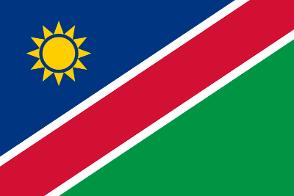
COUNTRY: NAMIBIA
SCHOOL: ST PAUL'S COLLEGE - WINDHOEK
STUDENT: Remelou Joyce Refugio
A Foreign Land, A Foreign Home
An Israeli-born, Filipino by nationality and a temporary resident of Namibia is what I am. English was one of the first languages I learned to speak as a child, alongside Tagalog as my mother-tongue. Namibia, the land of the brave expressing a motto of unity, liberty and justice, is beyond what one would expect when they first hear that it is situated in South-western Africa. This beautiful country is not only comprised of its vast lands nor its large varieties of wildlife, but the welcoming and warming hearts of her people. From the Ovambos, Hereros, Damara-Namas, Coloureds, Basters, Boeres and many more ethnic groups, it can be greatly seen that their smiles are comparable to the broad landscapes of their country.
Six years of my existence have been spent in this majestic country, and I can assure people that living here is not and never a regret. Even though I miss my home country, this land still feels like home to me. I grew in this country spiritually, mentally and physically, and I cannot ask for more. This is the place where I learnt from challenges which arose in my life, and with that I had the strength to carry on. I guess it is why Namibia is called the land of the brave. It does not only necessarily contribute to its people by its own blood, since even I as a foreigner, can express bravery as well. Namibia is a physical example of a contradiction, as it can be as silent as the skies, yet as loud as the lion’s roar. This then contributes to the fact that it is hardly ever lonely in this place for happiness is one of the foundations that allowed this country to stand up in freedom.
Namibia is the place where I learnt how to love. One of the aspects that made me fall in love with this place is its great taste of music. It has such a different vibe or sense to modern music nowadays. From “Kwaito” to “African House”, you name it. Its surreal beats does not let you stop dancing, as one always dances the night away with their music. Aside from music, I have grown to love its people. People you can trust, open up to and just have deep connections with. There are a lot of interests which I have fallen in love with in Namibia, and I know that I will never lose that feeling, nor will I get tired of it.
In conclusion, Namibia might not be the country I was born in, nor the country where I spent my childhood, but I know for a fact that it is the country where I will spend the rest of my life in, expressing love, honesty, unity and most importantly, bravery.
Remelou Joyce Refugio - 15 years
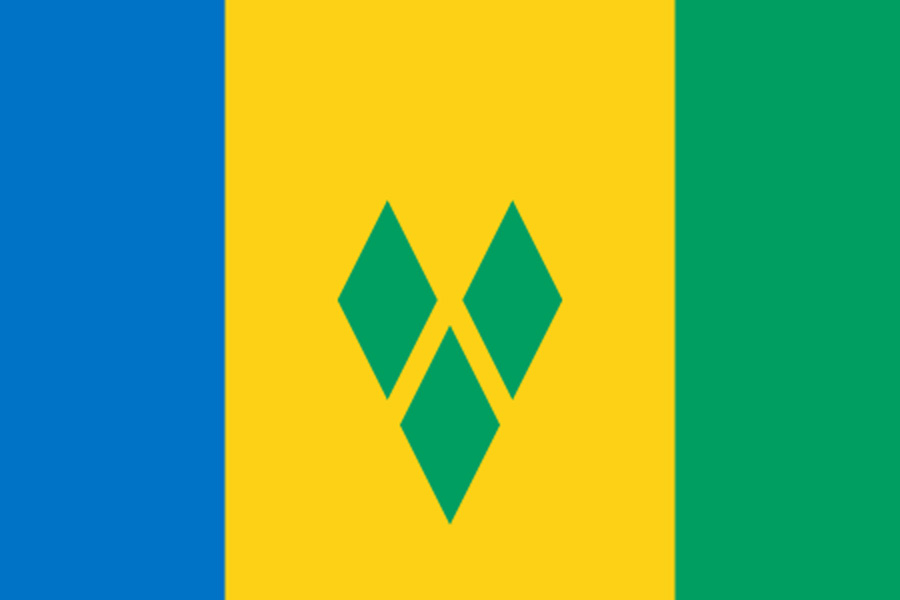
COUNTRY: ST VINCENT AND THE GRENADINES
SCHOOL: ST. VINCENT GIRLS' HIGH SCHOOL - ST. VINCENT
STUDENT: Ianá Ferguson
The Gem of the Antilles
St. Vincent and the Grenadines (SVG), also called “Hairouna”, “Home of the Blessed,” and “The Gem of the Antilles,” is found in the Caribbean. It is made up of thirty-two (32) islands and cays. There are approximately 110,000 persons living on the islands. There are many places of interest for visitors, including an abundance of entertainment and a variety of indigenous food.
Due the volcanic nature of our island, there are many black sand beaches. There are also white sand beaches which can be found in the Grenadines. There are many waterfalls including Trinity Falls which is composed of three falls meeting a central pool. There many different foods stemming from various cultures. These include pelau, pepper pot, lasagna, tacos and roti among others.
In SVG, we speak British English (official language). Apart from the English language, we have our own creole dialect. English, however, is more acceptable when making formal addresses whereas the creole can be utilised when interacting with family or friends. During school, both are acceptable but not creole is not acceptable when addressing superiors or carrying out scholastic affairs. Many words used in SVG are derived from Latin, French and Spanish, and are used generally.
Ianá Ferguson
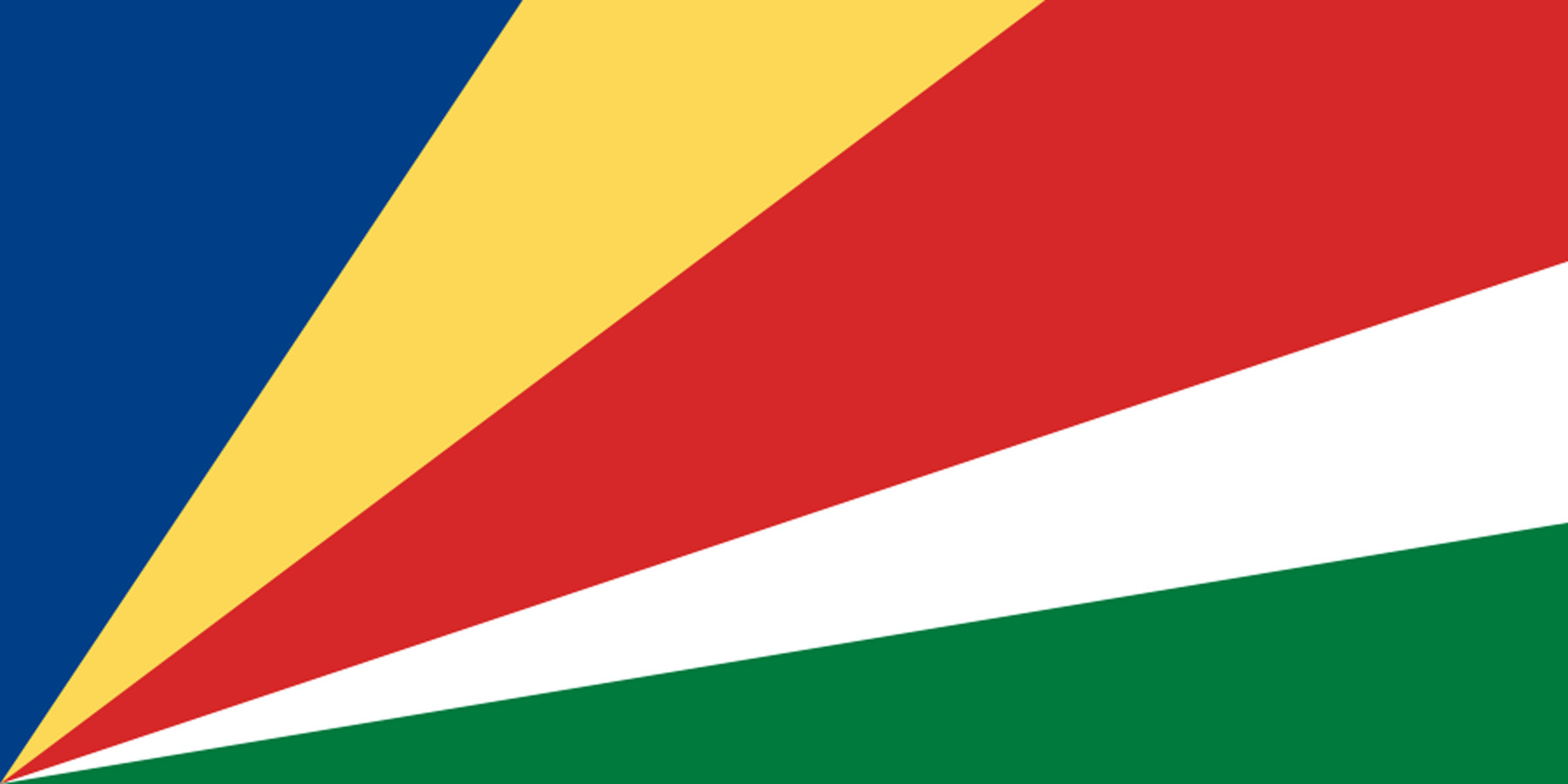
COUNTRY: SEYCHELLES
SCHOOL: INDEPENDENT SCHOOL - MAHÉ ISLAND
STUDENT: Alessandra Tirant
Seychelles is a beautiful country made up of 115 paradisiacal playground, islands. We have 3 official languages Creole, French and English. Not many people are fluent in English, and have trouble speaking or spelling it. Their vocabulary isn't very vast, since Creole is their native and first language.
People who have English as their native or first language, often get made fun of and are considered as "white people", which in creole is "blan". It's not that these people don't understand creole because they do, they may not feeling comfortable speaking it or like me, have an English accent with their creole, which is certainly found amusing by most of my friends.
There's plenty of sun here, but it always rains on a Wednesday. The beaches are spectacular, and the marine life is extraordinary, you could even get lost under the waves. Mahe is the main island, therefore it's congested with cars and people, but the outer islands, those are out of this world. Where nature grows unconditionally, birds fly endlessly and little animals run free.
From a teenagers point of view, Seychelles is not quite interesting, as there's not much to do apart from going to the beach and cinema, shopping for items other than groceries is very limited. The people here are very narrow minded. Big dreams don't work here.
Alessandra Tirant - 16 years
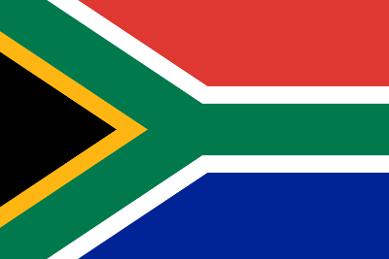
COUNTRY: SOUTH AFRICA
SCHOOL: ST HENRY'S MARIST COLLEGE - DURBAN
STUDENT: Ethan Riedlinger
South Africa is a beautiful country, while we speak English we have 11 official languages. Our country is known as the rainbow nation because of the vast variety of colours and cultures that exist in it. Most of the Urban schools teach in English and while we have 11 official languages most people can speak their own language and English.
We experience beautiful weather in our country, with our winter days not getting much colder than 19 degrees celcius. The sun shines practically all year round and despite the fact that we are having a drought at the moment most gardens are green for the entire year. We are blessed to have the beach 15 minutes away and mountain 2 hours away from where we live in Pinetown. We live in the city of Durban which has the beach as the main attraction. It has recently been upgraded and has many fun activities such go-carting, bungee jumping off the soccer stadium, riding the sky cart, swimming, surfing and much much more.
I have many African and European friends at school which is cool because I get to experince different cultures which makes me realise that the world is so much bigger and more exciting than the small environment that I know.
We are well known for the big five animals which are the elephant, buffalo, lion, rhino and leopard and there are many game reserves that you can go to to see them, despite what many people think, they do not roam free down our streets.
Thank you for this opportunity to tell you about our country.
Regards
Ethan Riedlinger
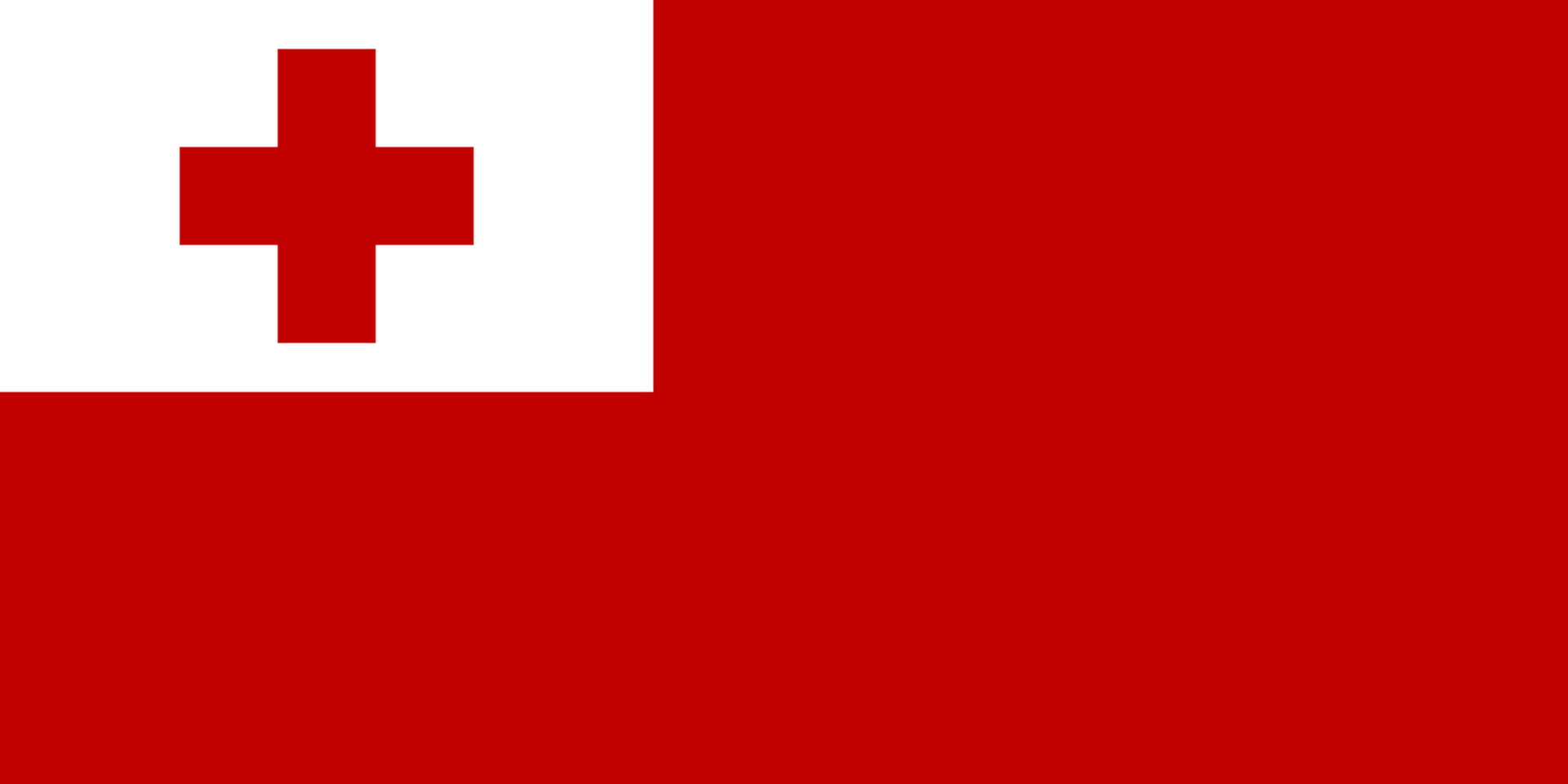
COUNTRY:TONGA
SCHOOL: TUPOU COLLEGE
STUDENT: Tevita Tolu
My name is Tevita Tolu and I am a form 3 student in Tupou College. My school is the oldest school in Tonga and I think in the Pacific too. Next month we will celebrate our school's 150th anniversary. We are expecting a lot of people to come. Exstudents from all over the world will come, the King of Tonga and the Royal family will be here too. Yes, Tonga have a King name Tupou VI. Our crown prince attended our school Tupou College- it is an all boys boarding school. Tonga is also known as the Friendly Islands because of the people being friendly to visitors. Tonga is nice too with a tropical climate and beautiful beaches. We also have a strong cultural that is practiced here in Tupou College.
Tevita Tolu - Form 3
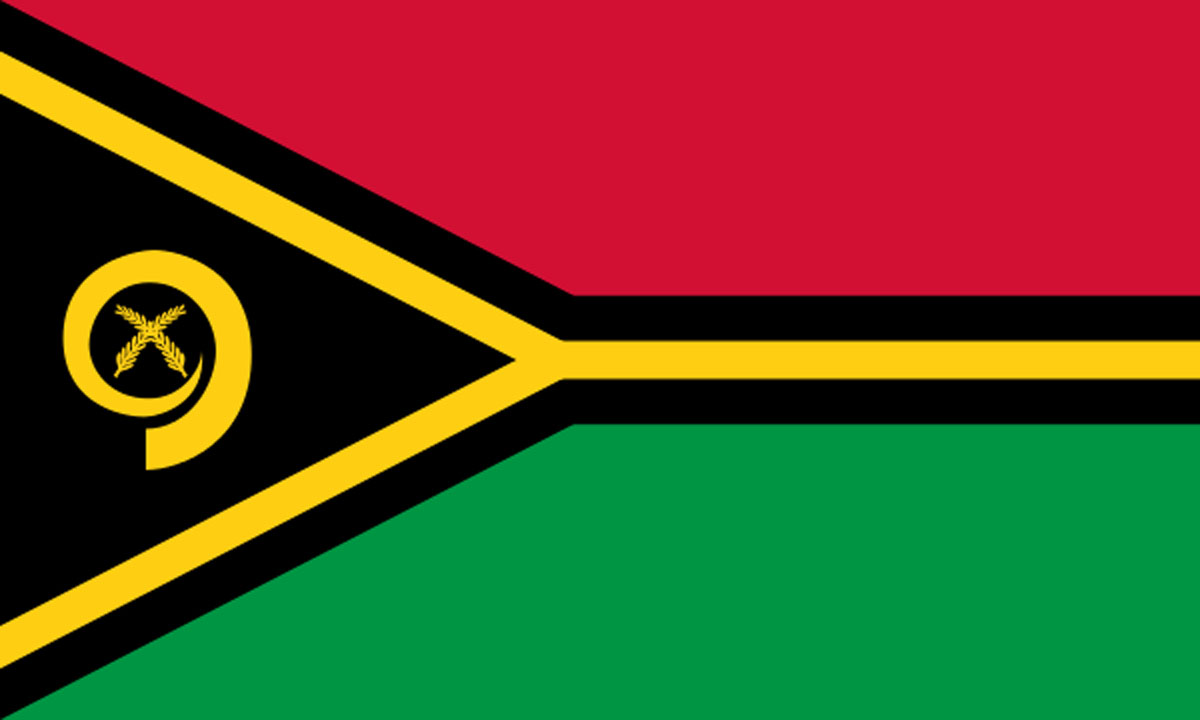
COUNTRY: VANUATU
SCHOOL: PORT VILA INTERNATIONAL SCHOOL - PORT VILA
STUDENT: Georgilla worwor
Dear Lucas,
My name is Georgilla Worwor and I am an indigenous citizen of Vanuatu. We are called Ni-Vanuatu (Ni-Vans colloquially). Life here in Vanuatu with English as an official language is quite good in my youthful opinion.
There are advantages of English as an official language here in the Pacific region. This includes our relationship with other Pacific countries such as Australia and New Zealand. These two neighbouring countries are who we generally depend on for assistance in times of natural disasters, such as the recent Cyclone Pam. In addition to this, there are numerous Pacific countries that also have English as an official language. Some examples are our Melanesian neighbours: the Solomon Islands, Fiji and Papua New Guinea. So, in my opinion it makes perfect sense to have English as our official language as it enables us to communicate with our neighbours. Having English as an official language supports our connections with other pacific nations as we have something in common that can help to stabilise our relationships. This happens in education too. Where I live in Port Vila, English is used at regularly in my daily life. At home we speak both English and Bislama and although two of my siblings are Francophone (French speakers), they both speak English too. I go to an English school called Port Vila International School and we have a very diverse population of students who can all communicate in English. I speak English out of school as well to shop keepers in boutiques in town as it isn’t uncommon for me to do so. When I am around friends in my community who go to the Central school (another English school), we communicate in English but I also have friends who go to French schools and they are all able to understand English sentences very well. Most of them are able to reply in English quite well. The English language is commonly spoken everywhere around us in the capital city of Port Vila.
Of course there are other languages of communication that are present here, like our 83 different island lingos and our commonly spoken, native pigeon English called Bislama. This is used in Port Vila and throughout Vanuatu. French is another official language apart from English and can be just as important as English in some respects but I feel as though with regard to Vanuatu’s proximity to a lot more English speaking countries, that English has a slight advantage. Thank you for your interest in our country and I hope that this information is helpful to you.
Regards
Georgilla Worwor
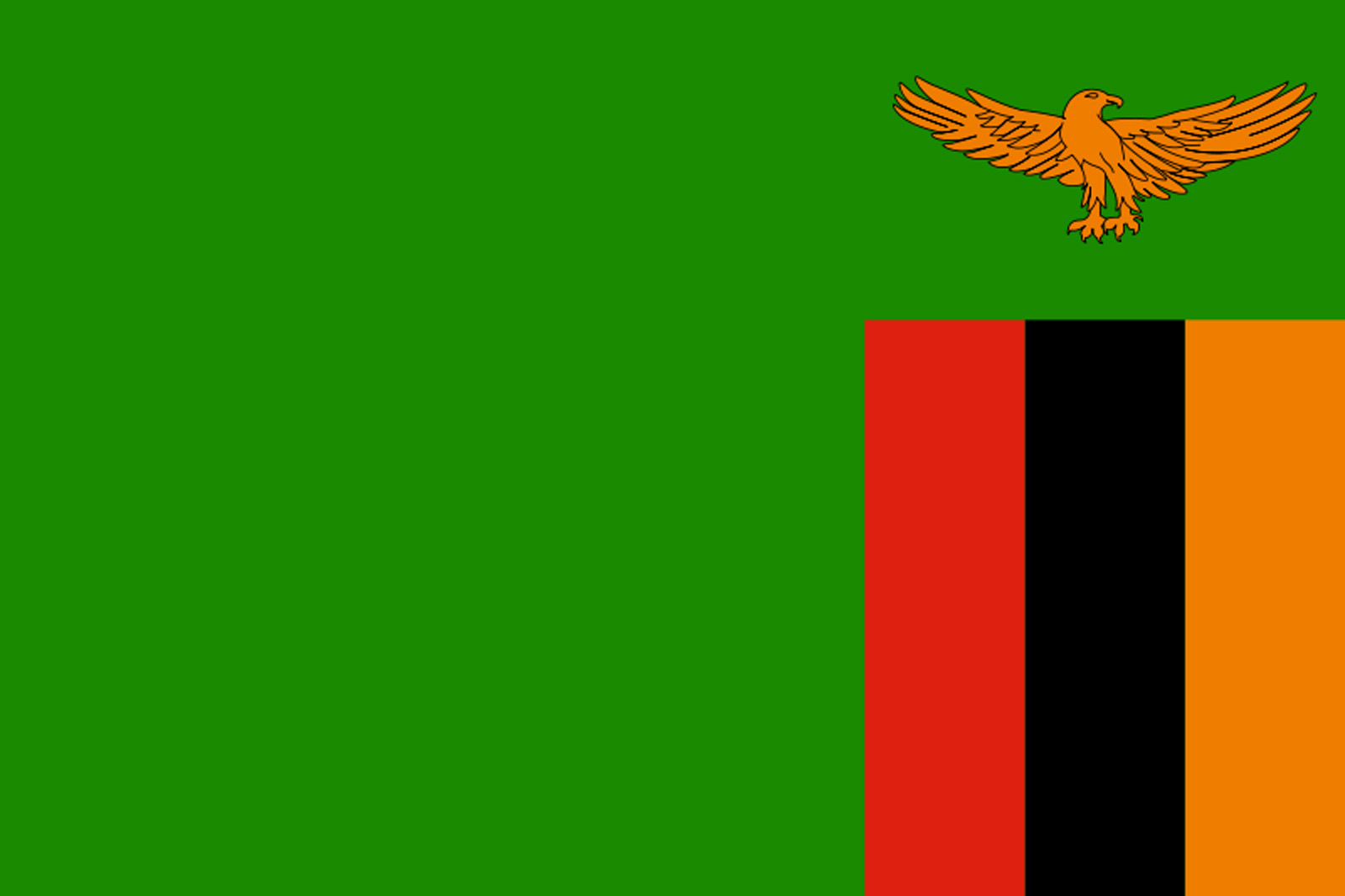
COUNTRY: ZAMBIA
SCHOOL: BAOBAB COLLEGE - LUSAKA
STUDENTS: Tiaan Pieterse, Bruce Mpunga
Life in Zambia
Hi Luca,
My name is Tiaan. I am South African by nationality and I moved to Zambia when I was 10 years old. I have been living in Zambia for 4 years and it has been good because all the people here are friendly and kind. I am 14 years old and I go to Baobab College in Lusaka, the capital city of Zambia. Baobab is a British school with lots of different people with different religions and different cultures too. There are students here from Zambia, South Africa, Greece, China, Kenya, Germany, Italy, Zimbabwe, England, Scotland, Rwanda etc and there are teachers from Zambia, South Africa, England, Mauritius, Lebanon, India, Austria etc …. it’s a very diverse school.
In Zambia, everyone like or loves playing football - I think its one of the best sports to play with your friends while at school and also outside of school. One day, if you come to Zambia I will take you to go look at the Victoria Falls (in Livingstone): it’s one of the biggest waterfalls in the world. We could also go and fish in Lake Kariba in Siavonga - that’s just two hours away from Lusaka, where I stay. One thing you should know about me is that I’m mad about sports: I love playing football, hockey and cricket. I also enjoy going to the movies with my friends. When I finish school I want to play cricket for England. It’s my passion! Many of my friends and teacher say I’m very good at drama too (even Miss N’gandu, my Drama teacher and Mrs Alsop, my English teacher) – so may that could be a second career if being a professional cricketer does not work out. I love to watch football and I support Manchester United in the BBL and I hope you support Real Midrid in the LLG ?!!
All the best,
Tiaan Pieterse – 14 years
Lfe in Zambia
Dear Lucas,
My name is Bruce Mpunga. I’m 14 years old and I live in Lusaka, Zambia. I am originally from Rwanda and my friends call me “Bruce Wayne”, after the main character in US TV series “Gotham” . I have been in Zambia for a whole year now and I don’t like it that much (home is where my heart is) but the thing I like about Zambia is that the people here are very friendly. Another advantage of life in Zambia is that it is a very peaceful country, even though the climate is not that great (it’s very cold in May/June). Brrrrrrrr…..
During the weekends I like going to go to the mall and to the cinema. I also like to chill out at home and I spend a lot of time playing on my PS4 playing FIFA! Every boy’s heaven, right? If not playing on my PS4, I watch films on my laptop, listen to music or play football. I support Chelsea FC and I like Barcelona in La Liga. I’d love to see what Spain is like.
If you get to visit Zambia there will be a lot of cultural and touristic places for you to see – you will be busy! Perhaps we will get a chance to meet in the future.
Peace,
Bruce Mpunga- 14 years
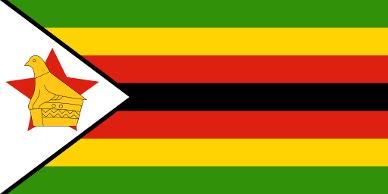
COUNTRY: ZIMBABWE
SCHOOL: PETER HOUSE BOYS - MARONDERA
STUDENT: Praise Jaravani
Dear Tom,
Thank you very much for your last letter and its astounding contents about the brief synopsis of life in the United Kindom.I would like to return the favour with a short, but detailed description of my own country, Zimbabwe.
We are a tight bunch living together in a harmonious convergence of peace and prosperity. Zimbabwe’s vast greenlands and tropical paradises look beautiful, with vibrant foliage and a vast rural library of creative traditions and cultures. The fire of life burns brightly and thrives in our country. From our picture Victoria Falls to the natural forsts, God’s creativity is evident in the country. “Akunamatata” from “Lion King” means no worries for the rest of our days; it’s all roses and daises.
This is the carefully crafted effigy facade of our dear country, Zimbabwe, but our country’s idiosyncrasies are far from perfect. First for all, the water… water! A necessity in all societies, from rich to por, is in a short supply in our country, and electric cuts are happening often. It is slowly getting better but our economic situation is still pretty bad.
However, on a brighter note, Zimbabwean culture is always euphoric with our buoyant Oliver Mutukuzi who produces our culture in vibrant tunes; he is loved throughout our country for that. We are not perfect; we have our problems, but hopefully, with the grace of the good God that we believe in, we will get out of our problems.
I am really enjoying my Form 3 studies at Peterhouse Boys.
Thank you very much for reading, my good friend.
Your loving friend,
Praise Jaravani - Form3
